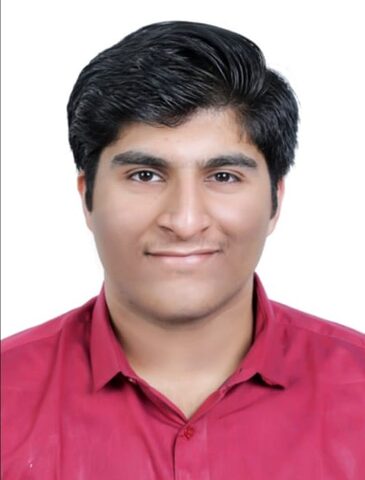
GAUTHAM ANIL OPEN TO WORKROBOTICS SOFTWARE ENGINEER
Robots, end to end.
I design the mechanism, write the firmware, wire the ROS 2 stack, and debug what breaks in between.
Automation & Robotics engineering at Amrita, class of 2026 — heading into robotics software.
ISRO — URSC · IEEE ICRM 2025 · 3 INTERNSHIPS · 7 SYSTEMS
Kerala, India — open to relocation, including internationally.
// THE TRACE · 2010 → 2026
 2010–2022Loyola School, ThiruvananthapuramWhere the schooling — and the tinkering — started.
 2022–2026Amrita — B.Tech Automation & RoboticsFour years of building robots toward a degree.
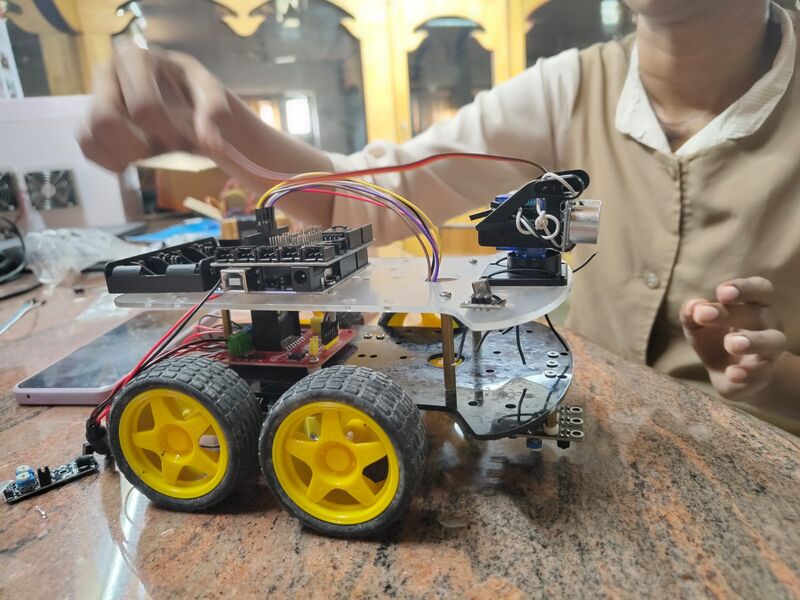 APR 2024Sound-Sensing Line-FollowerSEM 3 — my first robot that reacted to more than a line.
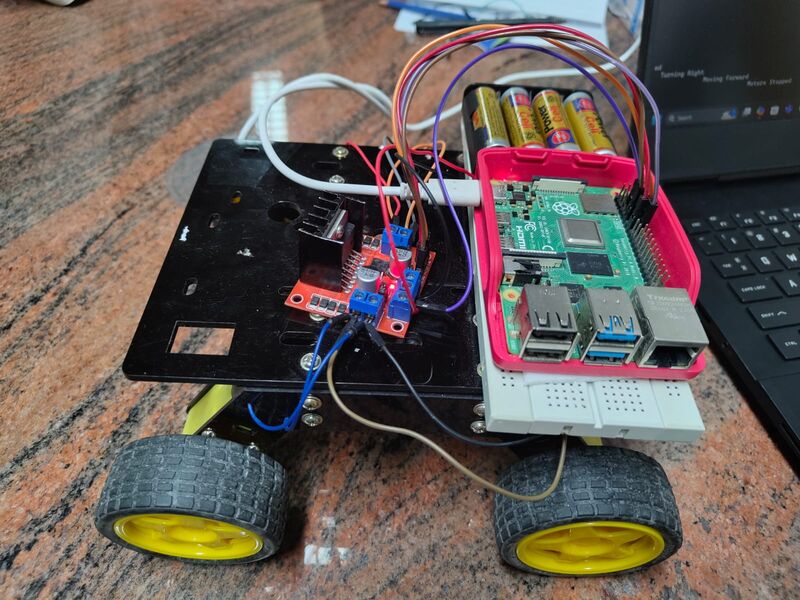 OCT 2024Raspberry Pi Four-Wheel RoverSEM 4 — moving off the microcontroller and onto Linux.
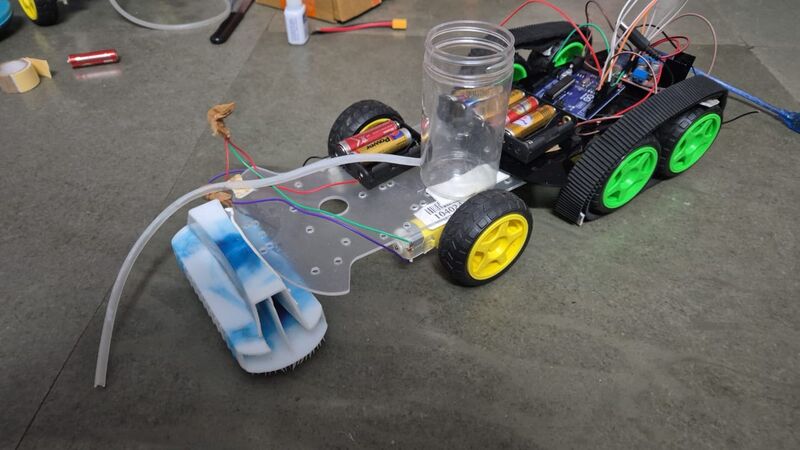 JAN 2025Solar Panel Cleaning RobotA design-thinking build for a real maintenance problem.
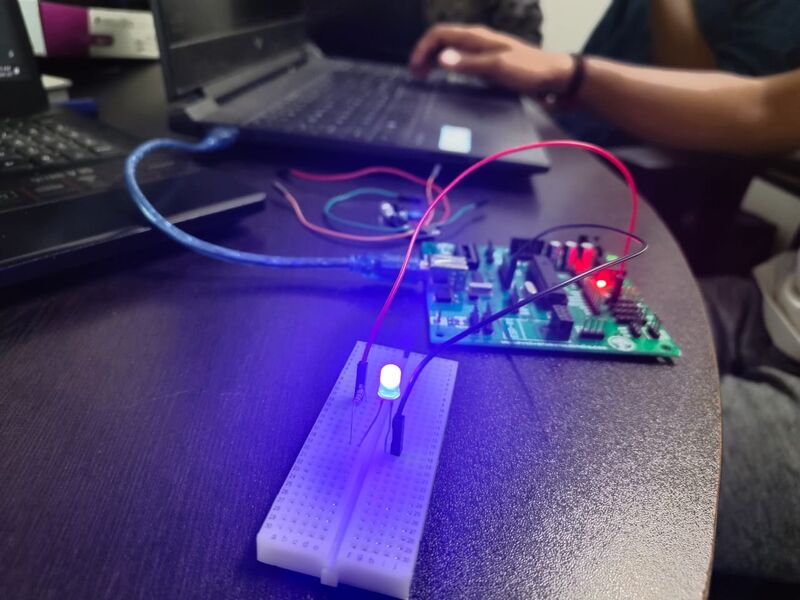 JAN–FEB 2025Evolve Robotics — Embedded InternshipFirst firmware internship: Arduino UNO, PIC, Embedded C in MPLAB.
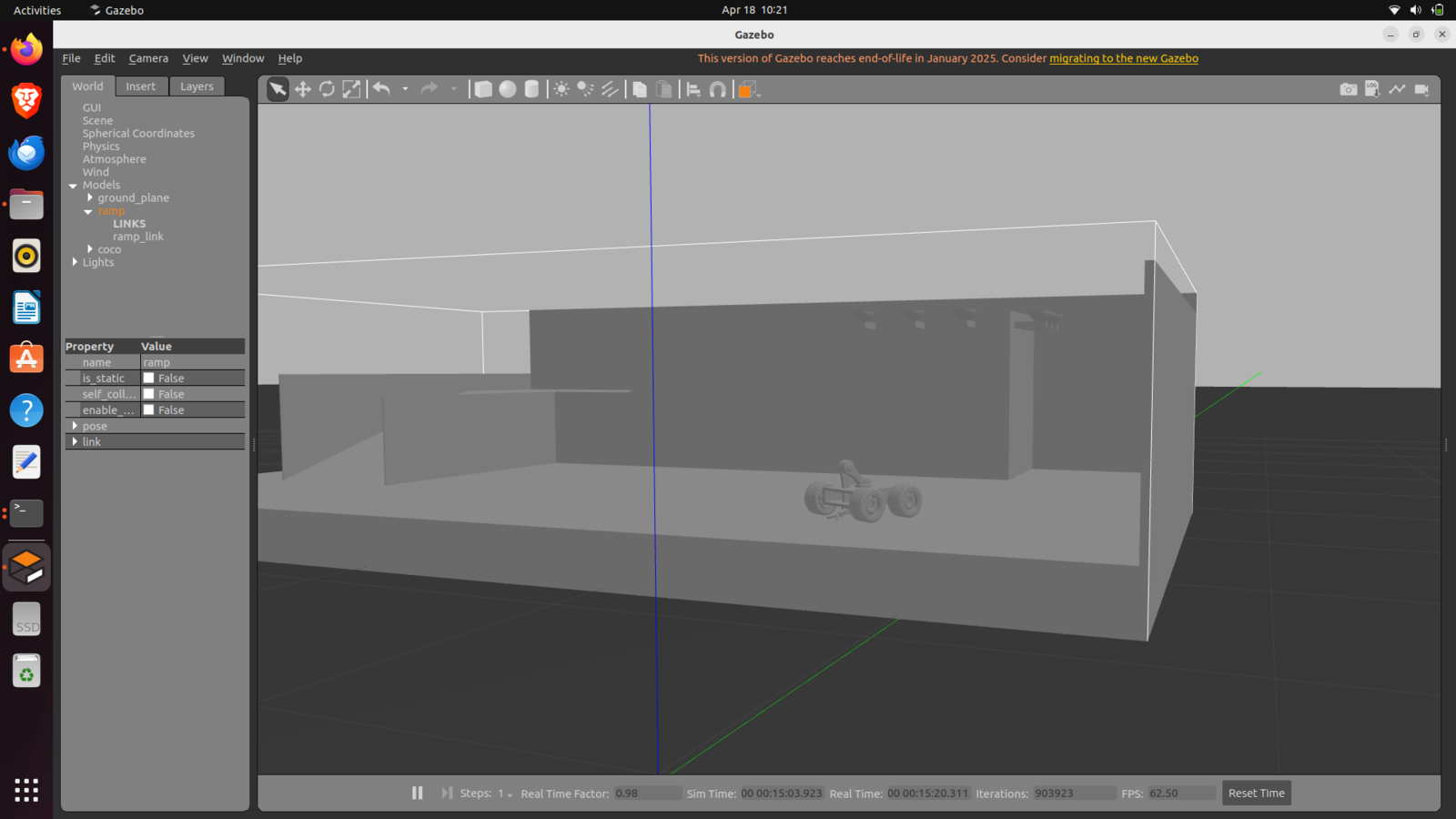
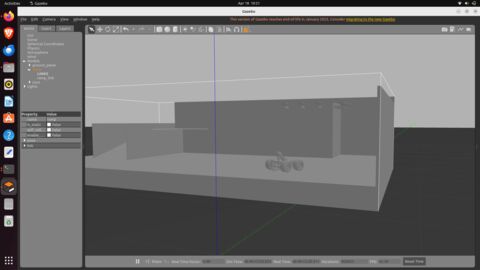 MAR–APR 2025Hut Labs → Coco RobotA team ROS 2 + Gazebo build that grew into my IEEE paper.
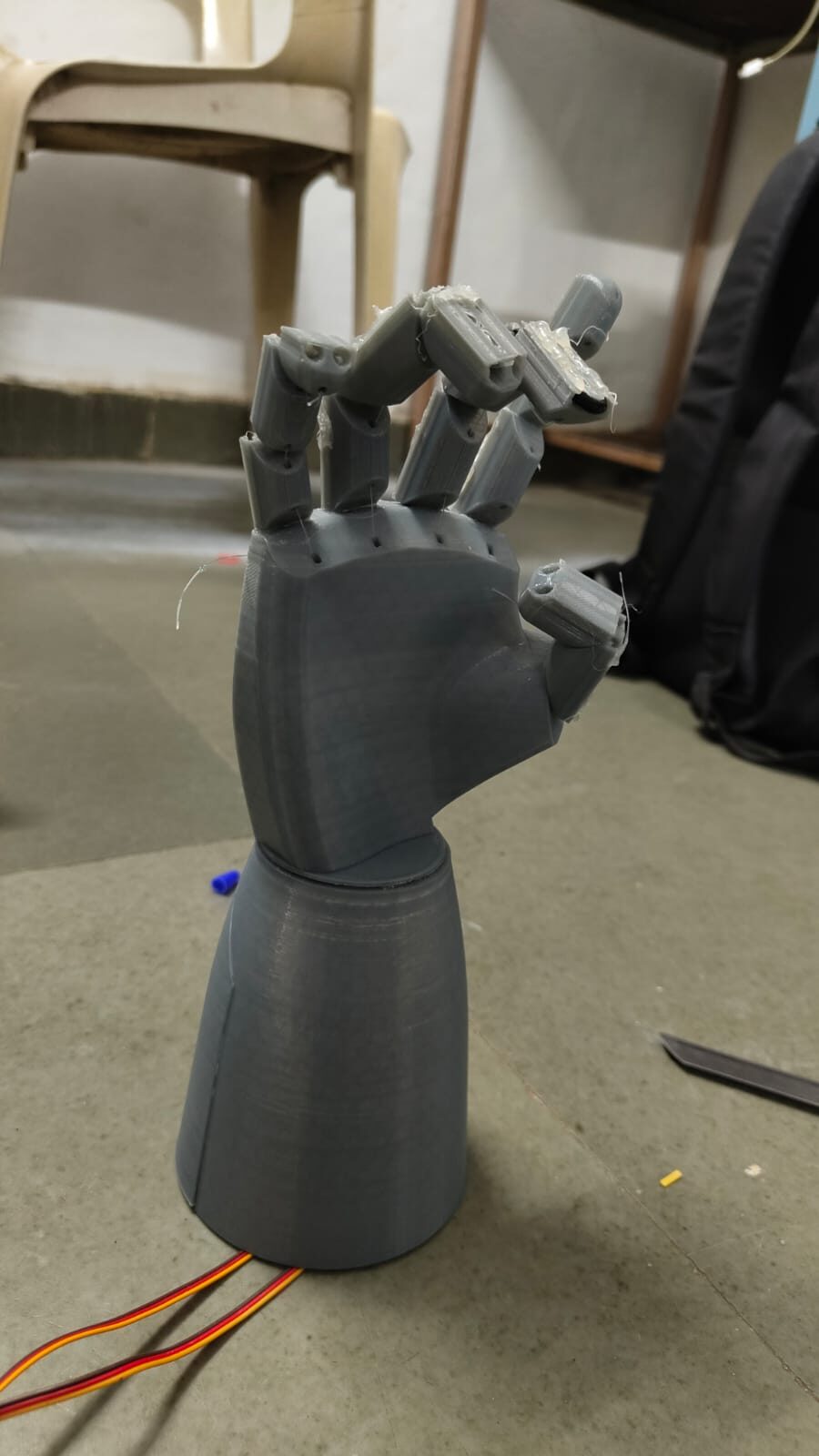 JUN 2025Gesture-Controlled Bionic HandA 3D-printed hand that followed a flex-sensor glove.
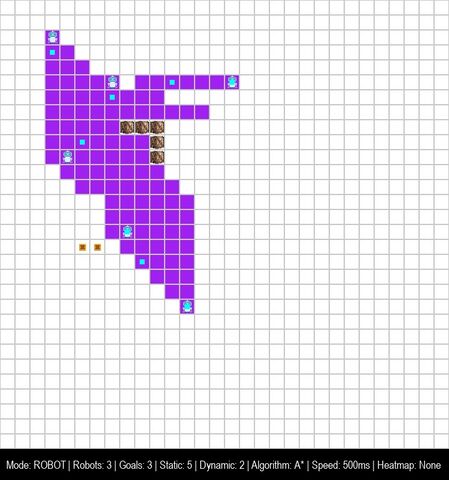 JUL–AUG 2025ISRO · URSC — Multi-Robot PlanningComparing path planners for dark-factory navigation at a satellite centre.
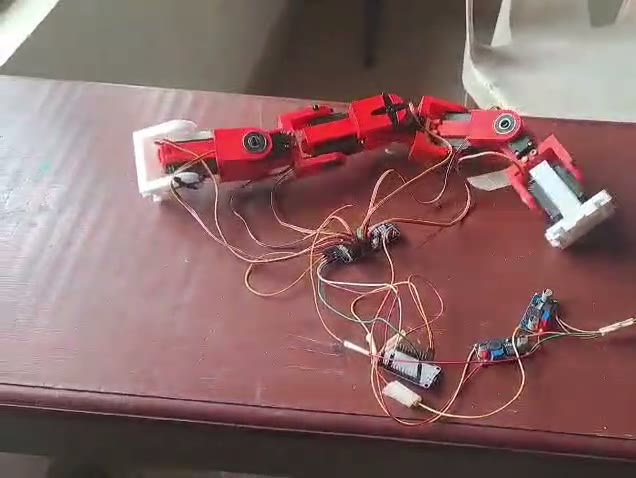
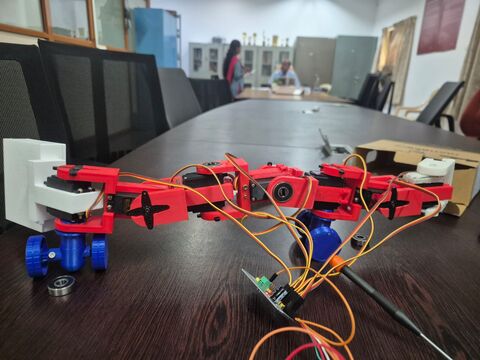 SEP 2025 – MAR 2026PAAMB — Bioinspired Snake RobotSeven joints, three gaits, a pipeline to inspect from the inside.
- JAN 2026IEEE ICRM 2025 — Published ↗A reproducible differential-drive test platform, peer-reviewed.
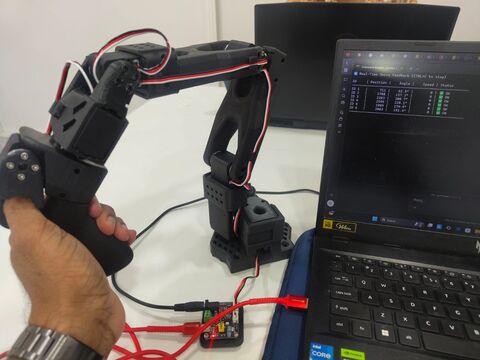 FEB 2026LeRobot 6-DOF Arm — Teach & ReplaySix serial-bus servos, no microcontroller, kinesthetic teach-and-replay.
- 2026You are here — robotics softwareOpen to work, and to the next system that doesn't behave as expected.
01 — SELECTED SYSTEMS
Selected Systems
PAAMB — Bioinspired Robotic Snake
Bioinspired pipeline-inspection snake robot
MY SCOPE — Mechanical design of the 7-joint serpenoid mechanism
Coco Robot — ROS 2 Simulation Platform
ROS 2 differential-drive + manipulator simulation platform
MY SCOPE — The manipulator — 3-DOF arm and gripper, its URDF from CAD-derived meshes, and joint control
Multi-Robot Pathfinding Simulator
Autonomous Robot Navigation in a Factory Environment Using Comparative Pathfinding Algorithms
MY SCOPE — Unified A* / Dijkstra search core — heapq priority queue, came_from / g_score dicts
02 — EXPERIENCE
Experience
- ISRO — U R Rao Satellite Centre (URSC)Summer Intern — Mission Planning & OperationsJUL–AUG 2025Multi-robot path-planning simulator for mission planning & operations
- Hut LabsRobotics Simulation InternMAR–APR 2025ROS 2 + Gazebo simulation platform — published at IEEE ICRM 2025
- Evolve Robotics LLPEmbedded Systems InternJAN–FEB 2025Firmware for Arduino + PIC microcontrollers; sensor interfacing
Design and Implementation of the Platform for Testing a Differential Drive Robot Using ROS2
[ READ ON IEEE XPLORE ↗ ][ RELATED SYSTEM: COCO ROBOT → ]
A reproducible ROS 2 + Gazebo test platform that validates differential-drive navigation and 3-DOF manipulation entirely in simulation, before any hardware is committed.
04 — THINGS THAT DIDN'T WORK
Things That Didn't Work
Every one of these taught me more than the demos did.
THE TOPICS DISAPPEARED.
After migrating to ROS 2 Jazzy and Gazebo Harmonic, `ros2 topic list` returned nothing. The robot was fine; my mental model of the sim–ROS bridge wasn't.
THE MODEL RAN. IT DETECTED NOTHING.
The dashboard's TFLite inference was silently wrong until I matched the model's real contract: grayscale, 96×96, INT8, softmax.
THE BUS LIED.
Six daisy-chained serial-bus servos, intermittent faults, no microcontroller to blame. Debugging happened at the protocol level.
ONE ARDUINO WASN'T ENOUGH FOR ONE HAND.
The bionic hand's first power architecture browned out under the full actuator load. The fix wasn't code: the servo class changed (high-torque MG-series → SG-series) and the system split across two Arduino boards.
05 — INFO
Info
I got into robotics through things that didn't behave the way I expected. A simulated rover became a published test platform. A final-year project became a snake robot with seven joints and three gaits. An internship at ISRO turned "shortest path" into a negotiation between robots.
Most of my work sits in the messy middle — where a URDF meets a real motor, where a control loop meets a serial-bus fault. I like getting a system running. I like even more finding out why it wasn't.
B.Tech Automation & Robotics, Amrita Vishwa Vidyapeetham, 2026.
BASE KERALA, IN · RELOCATION OPEN, INCL. INTERNATIONAL
OUTREACH — LED AN ARDUINO WORKSHOP FOR ~50 SCHOOL STUDENTS
06 — CONTACT